About the Business
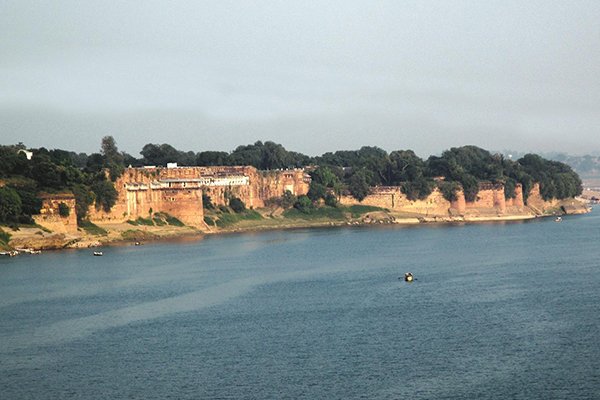
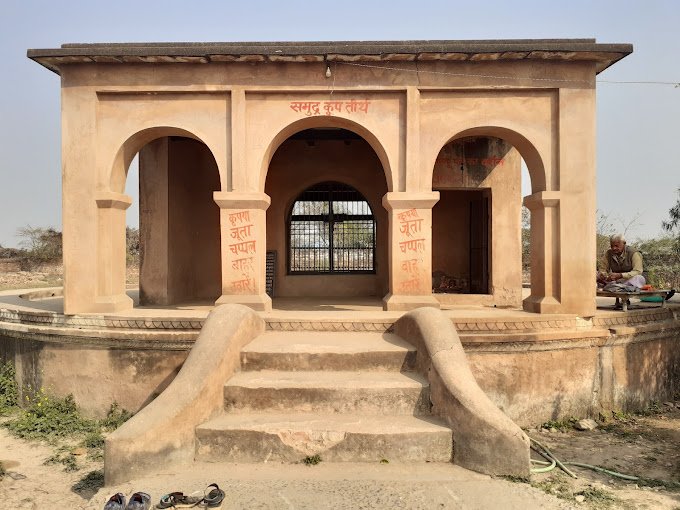
<p><strong>Samudra Koop</strong>, located near <strong>Ulta Qila</strong> in Jhusi, Prayagraj, is an ancient and significant well with historical, cultural, and mythological importance. Here's an overview of its significance:</p><h3><strong>Historical Significance</strong></h3><ul><li>It is believed to be connected to ancient India and has ties to the <strong>Rigveda</strong> period, which mentions Jhusi as part of the ancient kingdom of <strong>Pratisthana</strong>.</li><li>Jhusi has a history that spans several millennia and is associated with the <strong>Ganga-Yamuna confluence</strong> and Vedic rituals.</li></ul><h3><strong>Mythological Importance</strong></h3><ul><li>The name "Samudra Koop" translates to "Ocean Well," which is linked to the belief that it represents a miniature form of the <strong>Samudra Manthan</strong> (churning of the ocean) in Hindu mythology.</li><li>According to local lore, this well is connected to the legendary event where the ocean's essence was said to be concentrated in a single source.</li></ul><h3><strong>Cultural and Religious Significance</strong></h3><ul><li>It is a site of pilgrimage, particularly for devotees who visit Jhusi for spiritual reasons, including during the <strong>Magh Mela</strong> and <strong>Kumbh Mela</strong>, when large gatherings occur at Prayagraj.</li><li>Many locals and pilgrims consider the waters of Samudra Koop sacred, attributing purifying and healing qualities to them.</li></ul><h3><strong>Tourist and Local Interest</strong></h3><ul><li>The well is located near <strong>Ulta Qila</strong>, another fascinating spot in Jhusi. The "Ulta" (upside-down) Qila attracts attention due to its unique structural remnants and mysterious history.</li><li>Visitors often explore both sites together due to their proximity and shared historical aura.</li></ul>
Category
Tourist Places
Location
Prayagraj
Contact Business
N/A
Full Address
CWG2+724, Pratisthan Pur, Haveliya, Jhusi, Allahabad, Uttar Pradesh 211019
Is this your business?
Claim it now to update info and receive leads.
Quick Inquiry
Related Tourist Places